

Tajikistan is emerging as one of Central Asia’s most ambitious adopters of electric vehicles (EVs), with China playing a pivotal role in powering the nation’s green transition. From BYD showrooms to electric taxis and buses roaming Dushanbe, Chinese-made EVs are reshaping Tajikistan’s streets and policies.
With the government aiming for 20–30 percent of all cars to be electric by 2030, Tajikistan has implemented extensive tax exemptions and import duty breaks for EVs until 2032. These measures, combined with China’s dominance in EV manufacturing, have positioned the country at the forefront of Central Asia’s clean mobility shift.
President Emomali Rahmon reaffirmed this commitment, announcing plans to transform Tajikistan into a “green country by 2037,” underscoring the urgency of addressing the severe air pollution that plagues major cities.
Air Pollution Spurs Urgent EV Adoption
Tajikistan consistently ranks among the world’s most polluted nations, with Dushanbe suffering from high PM2.5 levels and vehicle emissions contributing heavily to the crisis. According to reports, air pollution causes over 4,800 premature deaths annually, with 28 percent of all diseases in the country related to respiratory problems.
In response, authorities have launched aggressive policies to promote electric mobility. The Dushanbe mayor’s office ordered all 12 taxi companies to convert their fleets—over 4,300 vehicles—to electric by September 2025, while a full transition to electric buses is scheduled by 2028.
This transformation is part of the Program for the Development of Electric Transport (2023–2028), which promotes local EV assembly, charging infrastructure, and recycling technology. Since import duties were lifted in 2022, Tajikistan’s EV numbers skyrocketed from just 120 units in 2022 to over 34,000 by 2025, now comprising nearly 5 percent of all passenger vehicles.
China’s Expanding EV Footprint
China has rapidly become Tajikistan’s most influential green technology partner. Beyond being Tajikistan’s largest investor and lender, China supplies over 90 percent of the country’s imported EVs, according to government statistics and Chinese media.
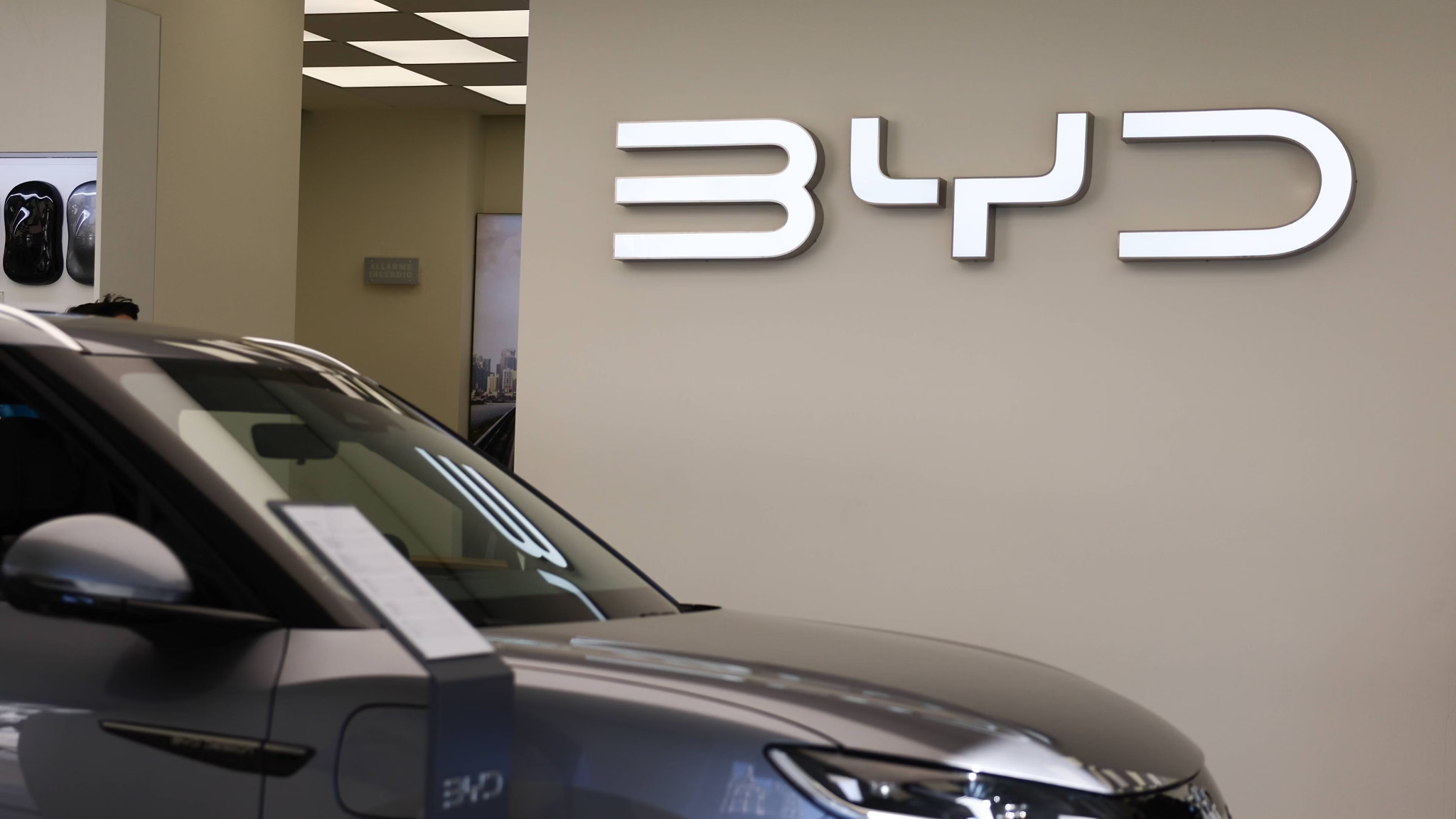
Brands like BYD, Changan, and Geely dominate Tajik showrooms, while Chinese-built electric buses and microbuses are now deployed across Dushanbe’s transport network. The CGTN network praised the initiative for improving urban mobility, reducing emissions, and lowering fuel dependency.
A recent partnership aims to produce 1,500 locally assembled EVs, signaling a shift from import dependence toward domestic production under Chinese guidance. The collaboration highlights both opportunity and concern — while it accelerates technological development, it also deepens economic dependence on Beijing.
Public Response and Everyday Impact
Feedback from Tajik taxi operators and drivers has been largely positive. Drivers from the 3333 taxi service and Yak Taxi reported saving money on fuel and maintenance, with customers praising the comfort and quiet performance of Chinese EVs. “Local drivers are very welcoming of Chinese EVs due to their superior quality,” said a representative from Dushanbe’s ECO-City taxi project.
Meanwhile, ordinary citizens benefit from reduced noise and cleaner air as electric taxis replace older, fuel-intensive models. The government plans to expand charging infrastructure across major cities and highways, further strengthening EV adoption.
Dependency Concerns and the ‘Green Silk Road’
China presents its electric push in Central Asia as part of a broader “Green Silk Road” — an initiative promoting sustainable cooperation under the Belt and Road Initiative (BRI). While beneficial, experts warn of the geopolitical implications of such dominance.
Analysts Temur Umarov and Roman Vakulchuk caution that China’s near-monopoly in Tajikistan’s EV sector could eventually lead to control over urban infrastructure and transport systems, potentially limiting local competition and political autonomy.
China’s influence in Tajikistan already extends beyond trade — previous debt repayments have been exchanged for mining rights and land concessions, raising concerns that similar leverage could emerge in the EV industry.
The Road Ahead for Tajikistan’s Green Future
Despite the risks, Tajikistan’s EV revolution remains one of Central Asia’s most promising examples of sustainable transformation. The collaboration with Chinese automakers has accelerated progress toward cleaner transport, reduced pollution, and economic modernization.
The challenge ahead lies in maintaining balance and independence, ensuring that the nation’s green goals are met without compromising sovereignty. If managed wisely, Tajikistan could emerge as a model for other developing countries adopting Chinese technology to achieve a cleaner, smarter future.