

Tajikistan is rapidly transforming its transport landscape, driven by a national push toward Sustainable Mobility to reduce reliance on imported fuel, particularly liquefied petroleum gas (LPG). The nation’s commitment is perhaps most visible in the capital, Dushanbe, where authorities have mandated that the large Electric Taxi Fleet switch entirely to electric vehicles (EVs). With the EV count surging into the tens of thousands by early 2025, a critical consumer concern moves to the forefront: the financial implications of long-term EV ownership, specifically the EV Longevity Assurance provided by battery warranties and the unpredictable cost of eventual battery replacement.
The core of any EV's long-term value is its high-voltage battery. Prospective buyers—and certainly the fleet operators who face intense operational pressures—must navigate an emerging Central Asian EV Market where after-sales service infrastructure is still maturing.
The Standard for EV Longevity Assurance
Globally, the industry standard for Battery Warranty coverage is typically 8 years or 100,000 miles (approximately 160,000 km), whichever comes first. Crucially, these warranties do not cover total failure but guarantee that the battery will maintain a specific State of Health (SOH), usually 70% to 75% of its original capacity. Given that over 90% of Tajikistan’s EV imports, including the new taxi fleets, originate from China, the local warranty terms are heavily reliant on agreements with these foreign manufacturers and their established dealership networks.
For the average consumer or a small fleet operator, securing local and enforceable service agreements under the manufacturer's EV Longevity Assurance is paramount. Without strong, local manufacturer representation, the process of claiming under a warranty—especially for a complex replacement—can be logistically challenging and time-consuming, requiring shipments and repairs outside of the country.
The Evolving Lithium-ion Cost Landscape
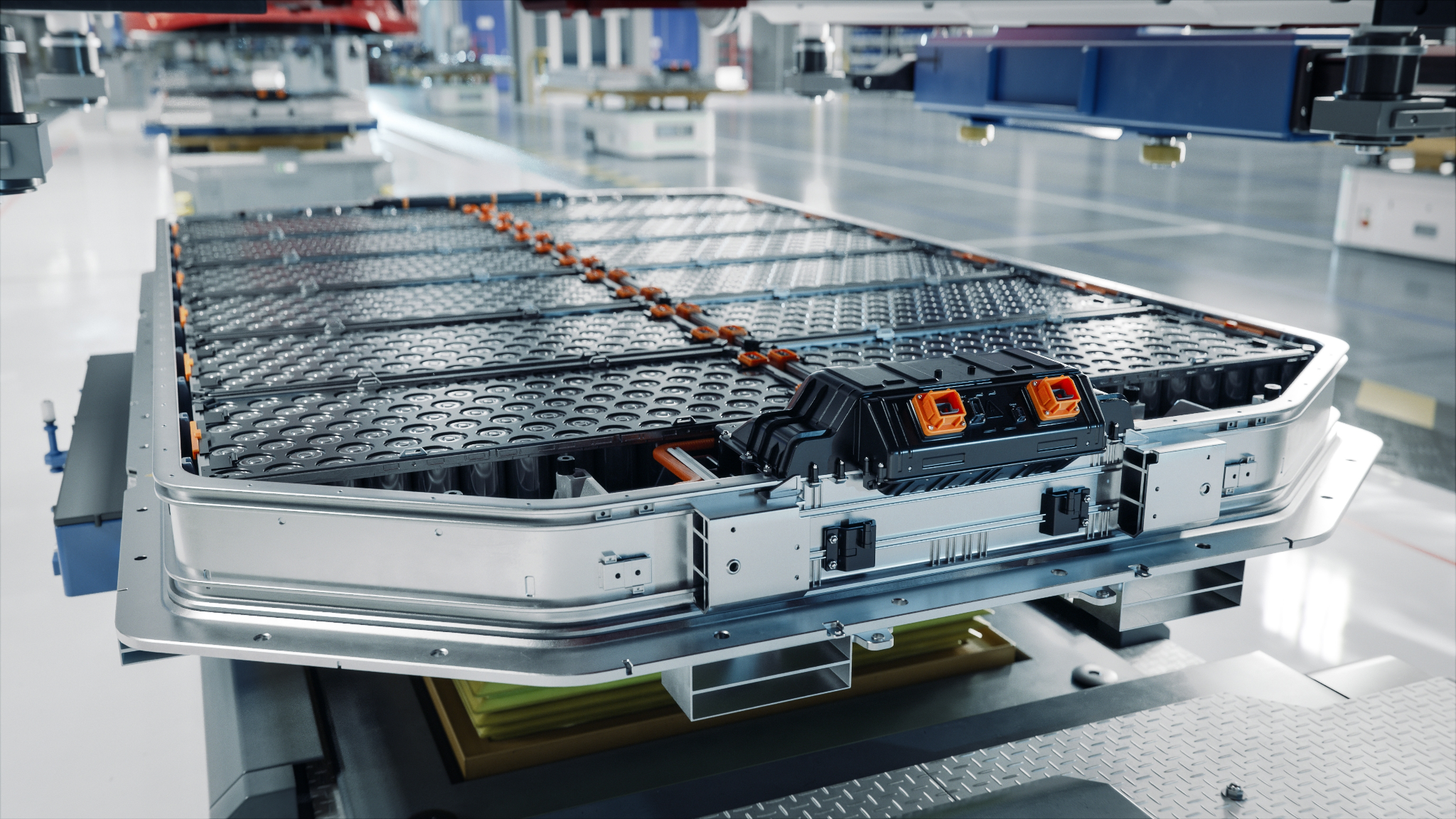
Beyond the warranty period, the potential cost of replacing the battery pack is the single largest financial consideration. A complete new EV battery replacement currently ranges widely, typically between $8,000 and $20,000 for common models, a significant figure in the local economy. However, this is rapidly changing.
The good news for Tajikistani EV owners is the global trend of falling Lithium-ion Cost. Industry forecasts predict that battery pack prices could drop by over 50% by the end of the decade, moving closer to the $5,000 mark for a mid-range pack. This decline is fueled by material cost reductions and advancements in manufacturing efficiency, such as the shift to cell-to-pack architecture.
Moreover, the service industry is evolving. The future of managing Battery Degradation will increasingly involve two cost-saving alternatives:
-
Module-Level Repair: Often, only a few modules within a large battery pack fail, not the entire unit. Replacing just these modules can cost significantly less, perhaps $2,000 to $5,000.
-
Refurbished Batteries: As the Electric Taxi Fleet matures, a market for re-manufactured and refurbished batteries, often with a reduced price tag and a limited warranty, is likely to emerge, mirroring trends seen in other markets, including those detailed on global platforms like AsiaCarGroup.
Ultimately, Tajikistan's successful EV transition relies not just on initial tax exemptions, but on establishing local capacity for diagnostics, repair, and a lifecycle approach that makes long-term ownership—backed by dependable EV Longevity Assurance—economically sustainable.
If you were buying an EV in Tajikistan today, which would give you greater peace of mind: a local service center that guarantees cheap module-level repairs for the next ten years, or a manufacturer warranty guaranteeing 80% battery health for 8 years? Share your priority below!