

As electric vehicles gain popularity in Tajikistan, the question of EV Viability looms large. With a growing fleet—especially in Dushanbe—EVs are emerging as a cleaner alternative. Yet, limited charging options pose a hurdle for broader adoption across the country.
Charging Infrastructure: Current State and Expansion
Dushanbe Leads the Way
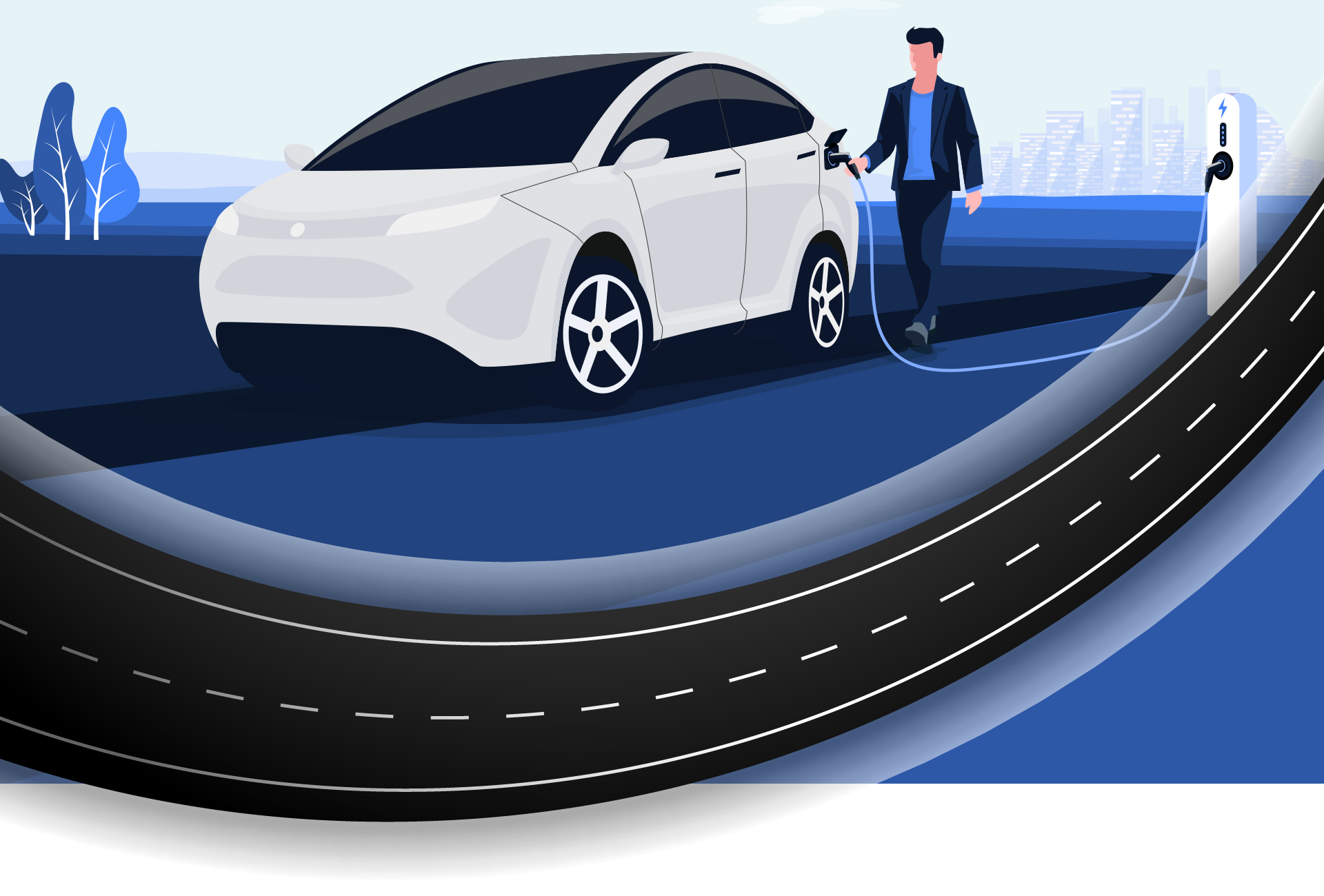
Dushanbe is spearheading the charge toward EV Viability, with approximately 136 charging stations in operation and an additional 70 fast chargers launched under a smart-city initiative. Together, these serve as footholds for broader electrification in urban areas.
Beyond the Capital
Outside the capital, charging infrastructure remains sparse, limiting EV Viability across rural and mountainous regions where EV adoption could significantly reduce fuel dependence—but only if reliable charging is available.
Power Grid and Hydropower Edge
Power Resilience
Tajikistan’s substantial hydropower capacity enhances EV Viability. Even during seasonal electricity shortfalls, EVs account for less than 1% of daily power consumption, suggesting the grid can support gradual electrification without overburdening supply—especially as hydropower expands toward Rogun Dam’s future capacity.
Infrastructure Gaps
Despite power potential, frequent energy rationing in winter threatens EV Viability, particularly when charging infrastructure remains unevenly distributed and reliant on unstable grid availability.
Government Action and the Road Ahead
Formal Support
Tajikistan’s government is backing EV adoption through tax exemptions for imports and funding for charging networks. Domestic plans include producing charging stations locally and increasing public transport electrification to improve EV Viability over time.
Scaling Solutions
Strategic deployment of fast-charging stations in high-traffic zones, tourist routes, and regional hubs, along with incentives supporting private and public sector investment, can elevate EV Viability to a practical level.
Platforms like Asia Car Group’s portal provide valuable insights for individuals exploring electric vehicle options tailored to existing infrastructure—helping assess real-world EV Viability today.
Do you believe EV Viability in Tajikistan can overcome infrastructure gaps? Have you experienced charging challenges or know a success story? Share below—let’s power the discussion and shape the future of clean transport together!