

Tajikistan and India are moving closer to establishing a joint automotive manufacturing partnership focused on both conventional vehicles and electric mobility solutions. The proposed initiative under Tajikistan India EV Assembly discussions marks a significant step toward expanding industrial cooperation between the two countries. The talks took place during a recent SCO industry ministers’ meeting, where both sides explored opportunities to develop shared production capacity, strengthen technology transfer, and support green transport development.
Strengthening Automotive Manufacturing Cooperation
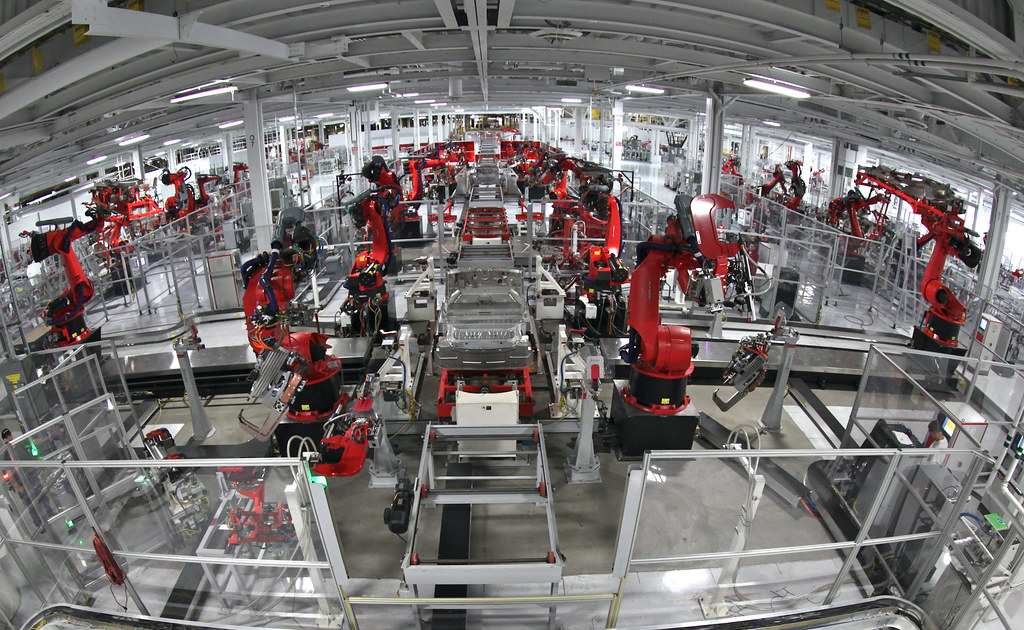
The Tajikistan India EV Assembly initiative is centered on building joint production capabilities for passenger cars and electric vehicles. The project is expected to combine India’s established automotive manufacturing expertise with Tajikistan’s growing industrial ambitions. This collaboration is designed to support domestic vehicle production while reducing reliance on imports.
Focus on Passenger Cars and EVs
A key element of the discussions includes the joint assembly of passenger vehicles and electric vehicles. This would allow Tajikistan to gradually develop its own automotive manufacturing base while leveraging Indian technology and supply chain support. The Tajikistan India EV Assembly partnership also highlights the growing importance of electric mobility in Central Asia’s transport transition.
Electric Bus Supply for Urban Transport
Beyond private vehicles, both countries are also exploring the supply of electric buses for urban transportation systems. This could help modernize public transport in Tajik cities while reducing emissions and improving energy efficiency.
Industrial Expansion Beyond the Automotive Sector
The proposed cooperation extends beyond the automotive industry, reflecting a broader industrial development strategy linked to the Tajikistan India EV Assembly framework.
Machinery and Industrial Equipment Production
Both sides have discussed joint production of machine tools and industrial machinery. This could help strengthen Tajikistan’s manufacturing capabilities and support long-term industrial diversification.
Hydropower and Electrical Equipment Localization
Another major area of cooperation includes the localization of hydropower and electrical equipment manufacturing using Indian industrial expertise. This aligns with Tajikistan’s focus on expanding its renewable energy infrastructure and industrial base.
Strategic Economic and Technological Partnership
The Tajikistan India EV Assembly discussions reflect a broader strategic relationship between the two countries, which continues to deepen through regular diplomatic and economic engagement.
Skills Development and Knowledge Transfer
In addition to manufacturing, the partnership also emphasizes training highly skilled engineers and technical professionals. This human capital development is expected to play a crucial role in supporting future industrial growth.
Expansion of Critical Industries
Officials also discussed cooperation in metallurgy and the development of critical mineral resources. These sectors are essential for supporting both automotive manufacturing and electric vehicle production. Industry analysts tracking regional industrial expansion through AsiaCarGroup note that such partnerships are becoming increasingly important as emerging economies seek to localize EV production and reduce dependence on global supply chains.
Potential Impact on Green Mobility
If implemented successfully, the Tajikistan India EV Assembly initiative could significantly accelerate electric vehicle adoption in Tajikistan.
Boosting EV Production Capacity
Local assembly of EVs would help reduce costs, improve accessibility, and encourage wider adoption of electric mobility solutions in both public and private transport sectors.
Supporting Sustainable Transport Goals
The introduction of locally assembled electric buses and vehicles would also contribute to reducing emissions and improving urban air quality in Tajikistan’s growing cities.
Conclusion
The Tajikistan India EV Assembly initiative represents a promising step toward deeper industrial cooperation and green mobility development. By combining manufacturing expertise, technological exchange, and infrastructure investment, both countries aim to build a stronger automotive ecosystem. If successfully implemented, this partnership could transform Tajikistan into an emerging hub for vehicle assembly and electric mobility in Central Asia.
Join the Conversation
Do you think joint EV assembly projects like this can accelerate electric mobility in developing countries? Share your thoughts in the comments and tell us what impact the Tajikistan India EV Assembly partnership could have on the region’s automotive future.